
When guests ask us for the one absolute must-do experience in Great Smoky Mountains National Park, our answer is always the same: the Cades Cove scenic loop. Tucked into an isolated valley ringed by mile-high peaks, Cades Cove is where the Smokies open up — wide green meadows, mist clinging to the ridgelines at dawn, hand-hewn cabins from the 1820s, and the densest wildlife viewing east of the Mississippi. It’s the rare destination that genuinely lives up to the hype, even on its tenth visit.
Whether you’re staying a few minutes away with us at our cabin in Wears Valley or driving in for the day, this guide will help you make the most of it — what to see, when to go, what to pack, and the small details most other guides miss.
New for 2026: We’ve produced a free Cades Cove Audio Guide Companion — a self-paced narration that plays from your car as you drive the loop, calling out hidden details, history, and the best wildlife pull-offs in real time.
Cades Cove at a Glance
| What it is | An 11-mile, one-way paved scenic loop through a historic Appalachian valley |
| Where | Inside Great Smoky Mountains National Park, accessed via Townsend, TN |
| From our cabin in Wears Valley | ~10 minutes to the park entrance at the Townsend “Y,” ~40 minutes to the loop’s start |
| Cost | No entrance fee, but a parking pass is required if you stop more than 15 minutes ($5 daily / $15 weekly / $40 annual) |
| Time to drive the loop | 2–4 hours typical; allow a full half-day with stops |
| Best for | Wildlife viewing, easy historic walks, photography, families, cyclists |
| Cell service | None — download maps offline before you go |
| 2026 vehicle-free days | Every Wednesday from May 6 – September 30 (cyclists & pedestrians only) |
Why Cades Cove Is Worth a Full Day
Cades Cove is the most-visited destination inside America’s most-visited national park, and the reason is simple: in a single 11-mile drive, you can see what most of the country no longer offers. Open meadows that stretch toward the ridgeline. Black bears foraging at the tree line in the early morning light. Three preserved 19th-century churches still standing where the congregations left them. A working grist mill turning the same way it did in 1870.
It’s not just a scenic drive. It’s a slow, deliberate immersion into the Southern Appalachians the way they were before the park existed — when this valley was home to a community of around 700 farmers, millers, and mountain families. The National Park Service preserved the most important structures and let everything else return to forest, which is why deer and turkey now graze the fields where corn used to grow.
If you’re staying with us, this is the day we tell guests to clear their schedule for.
Getting to Cades Cove from Wears Valley
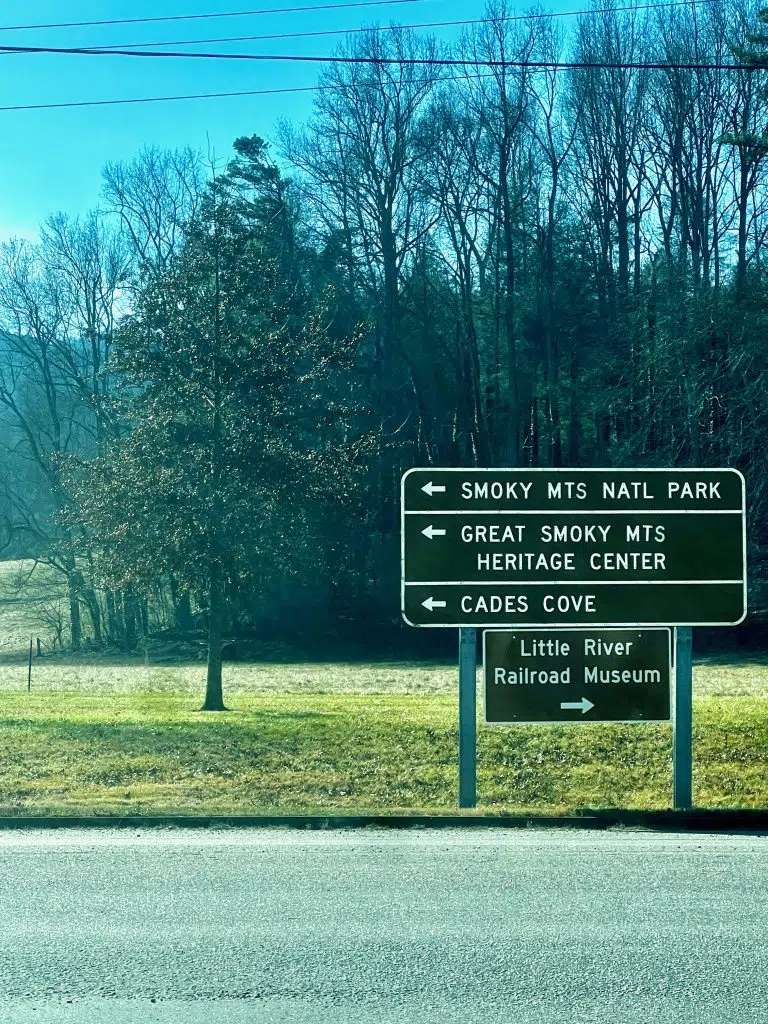
One of the quiet advantages of staying in Wears Valley is how close you are to the quieter entrance to the park. While most visitors funnel in through Gatlinburg and the Sugarlands entrance, our side of the mountain accesses the park through Townsend, “the peaceful side of the Smokies,” which puts you on the doorstep of Cades Cove.
The drive from our cabin:
- From the cabin, take Wears Valley Road (US-321) west toward Townsend (~10 minutes to the park boundary).
- At the Townsend “Y”, turn left (south) onto Laurel Creek Road. This is the gateway to Cades Cove.
- Follow Laurel Creek Road for roughly 7.5 miles as it curves through forest along the river. It’s a beautiful drive in its own right — keep an eye out for swimming holes and tubing pull-offs in summer.
- Arrive at the Cades Cove Loop entrance and orientation area.
Total drive time from our cabin to the loop’s starting point: roughly 35–45 minutes, depending on traffic. From a Pigeon Forge or Gatlinburg cabin, the same drive takes 60–90 minutes — one of the reasons we steer guests toward this route. You’ll also pass the Townsend Wye, a scenic confluence of the Little River that’s worth a stop on the way back.
Pro tip: Gas up in Townsend before entering the park. There are no fuel stations inside, and the loop’s stop-and-go pace can drain a tank faster than you’d expect.
Park It Forward: Parking Tags & Practical Logistics
Since March 2023, Great Smoky Mountains National Park has required a parking tag for any vehicle parked more than 15 minutes inside the park. There is still no entrance fee — you can drive through freely — but if you plan to stop, hike, or explore (which you will), you need a tag.
Tag options:
- Daily tag — $5 (valid until 11:59 PM ET on the date of purchase)
- Weekly tag — $15 (valid for 7 days)
- Annual tag — $40 (good for 12 months, must be ordered ahead and shipped)
Where to buy:
- Online via recreation.gov (daily/weekly — must print at home)
- 24-hour automated kiosks at the Cades Cove entrance, the Townsend Wye, and other locations
- In person at the Townsend Welcome Center or Cades Cove Visitor Center
Important rules:
- Tags must be physically printed and displayed face-up on the front passenger dashboard. Phone screenshots are not accepted.
- Each tag is tied to a specific license plate.
- Vehicles with state-issued disabled placards or plates are exempt.
- An America the Beautiful interagency pass does not cover the parking tag.
We keep a small stack of printer-fresh tag holders and instructions at the cabin, but the easiest path is to buy online a day before, print at home, and bring it with you.
The 11-Mile Loop: What to Expect
The Cades Cove Loop Road is a one-way paved drive that traces the perimeter of the valley. Speed limit: 20 mph. Expected pace: much, much slower. This is by design.
Traffic moves at a crawl, especially during peak leaf season (mid-October) or during a “bear jam” — the local term for the inevitable moment when a black bear ambles out of the tree line and twenty cars stop to watch. Embrace it. Roll the windows down. Let the mountain air in. Cades Cove rewards patience, not speed.
The Audio Guide Companion
To make the slow pace work for you instead of against you, we produced a free Cades Cove Audio Guide Companion — a narrated tour you can stream from your phone through your car’s speakers as you drive. It’s timed to the major pull-offs and historic stops and includes:
- Ancient Indigenous History of the Cherokee people
- Brilliant Pioneer Ingenuity of the cabins that still stand today
- Civil War Heartbreak, including the story of cinematic story of Russell Gregory, a pro-Union community leader
- The Final Residents, including an uplifting story of Kermit Caughron, the very last resident of Cades Cove
- And much more!
Get Your Driving Tour Audio Guide!
We made it specifically for guests of our cabin, but anyone is welcome to use it. No app to download, no signal needed once it’s queued up (which matters, because there’s no cell service in the cove).
Key Landmarks & Historic Sights
Cades Cove is essentially a living museum, with structures preserved exactly where the families left them when the park was established in the 1930s. Here’s what you’ll find as you drive the loop in order:
John Oliver Cabin (Stop ~1)
The first cabin you’ll encounter, built in the 1820s by John and Lurena Oliver, the first European settlers in Cades Cove. It’s the oldest standing human structure in the park. It is a single-room log cabin held together without a single nail — entirely by notched corners and gravity. Step inside (yes, you can) and notice how low the ceilings are, how small the windows are, and how dark it gets even on a sunny afternoon. This is what mountain life actually looked like.
The Three Historic Churches
Cades Cove preserved three churches — a remarkable density for such a small population, reflecting the doctrinal differences that shaped Appalachian communities.
- Primitive Baptist Church (pictured below and founded 1827, current building 1887) — has its own cemetery where many of the cove’s earliest families are buried, including Civil War-era graves.
- Cades Cove Methodist Church — the most photographed of the three, with its simple white clapboard and a single front entrance unusual for the period.
- Missionary Baptist Church — formed in 1839 after a doctrinal split from the Primitive Baptist congregation. The interior is austere and beautiful.
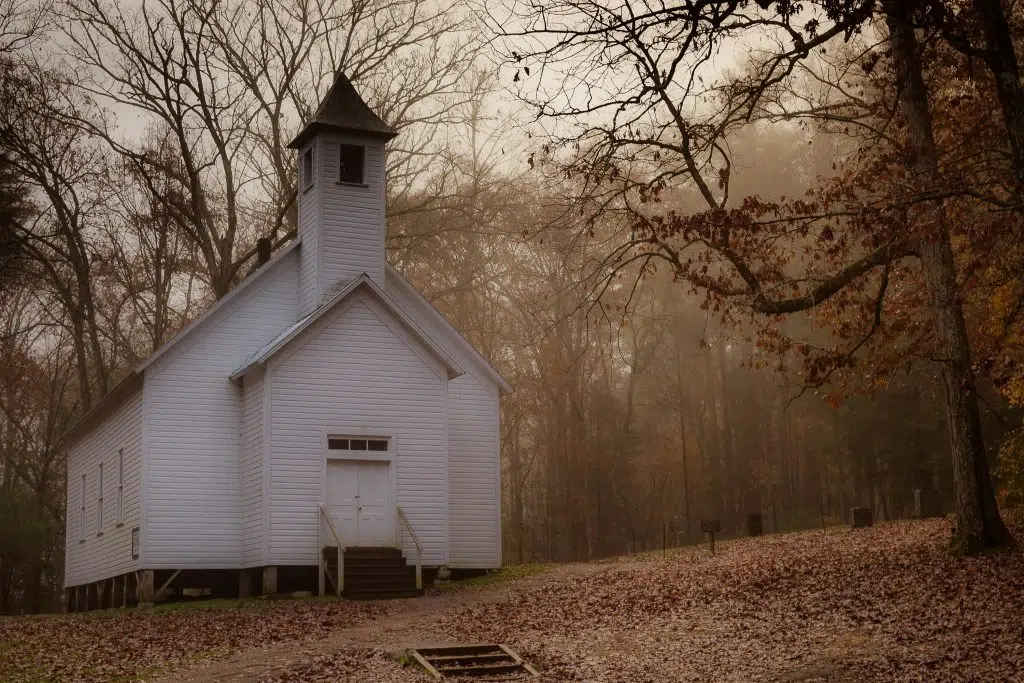
Walking through any one of them is a quietly moving experience. Most visitors only stop at one — make time for at least two.
Elijah Oliver Place (short walk off the loop)
Tucked behind a half-mile spur trail (worth doing — it’s flat and shaded), this is the most complete homestead in the cove. You’ll find the cabin, a smokehouse, a “stranger room” (an entry porch where unknown travelers could sleep without entering the family quarters), a corn crib, and a springhouse. It feels lived-in in a way the more visited cabins don’t.
Cable Mill Historic Area (~halfway around)
This is the largest cluster of structures and the loop’s natural midpoint. You’ll find:
- A working grist mill that still grinds corn, powered by water from Mill Creek
- A cantilever barn — a uniquely Appalachian design where the upper level overhangs the lower
- A blacksmith shop with periodic live demonstrations
- The Becky Cable House (a substantial framed home, a step up from the log cabins)
- The Cades Cove Visitor Center, which has a small museum, restrooms, and the bookstore where you can buy parking tags if needed
- A pollinator garden planted with the same crops the original residents would have grown
Plan at least 45 minutes here. The visitor center restrooms are the only modern facilities on the loop, so use them while you can.
Other Stops Worth Slowing For
- Carter Shields Cabin (near loop’s end) — a tiny log cabin in a clearing that becomes the most photographed structure in the cove during dogwood and rhododendron bloom (April–May).
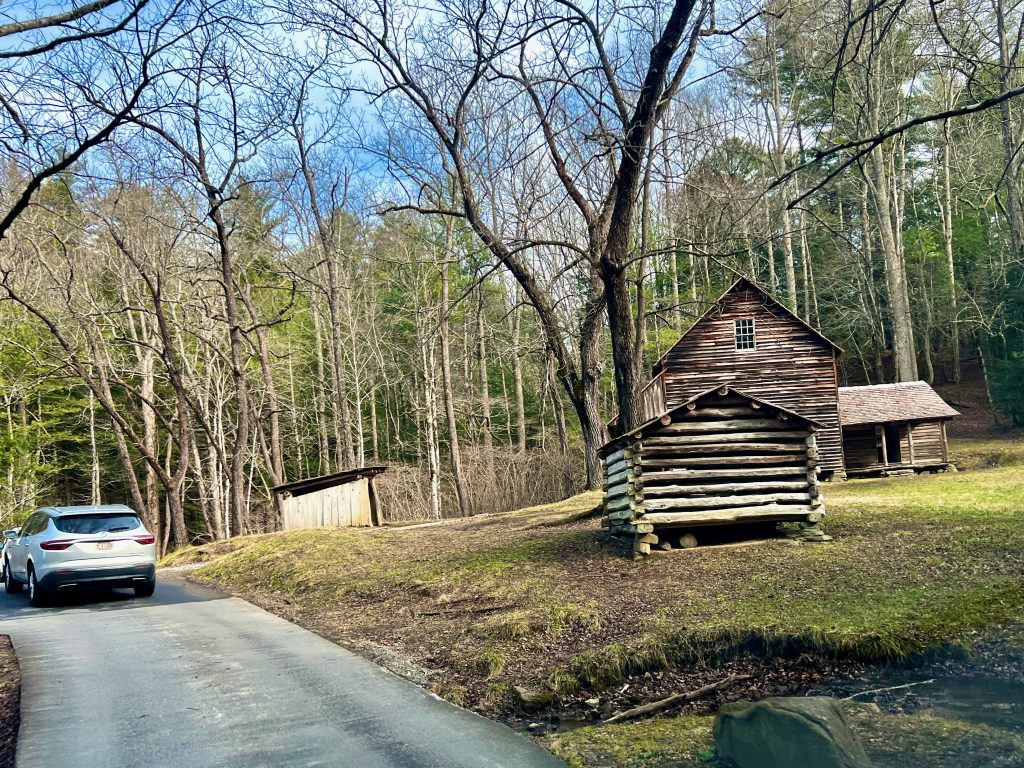
- Tipton Place (pictured below) — a white-painted farmhouse complex with a smokehouse, woodshed, and double-pen cantilever barn.
- Henry Whitehead Place — a fascinating “transitional” cabin showing how the cove’s architecture evolved from rough-hewn logs to sawn lumber.
Wildlife Viewing: The Real Reason People Come
Cades Cove is, hands down, the best wildlife viewing in the Eastern United States. The combination of open meadows, water sources, and protected status makes it a near-guaranteed sighting on any given visit.
What You’ll See

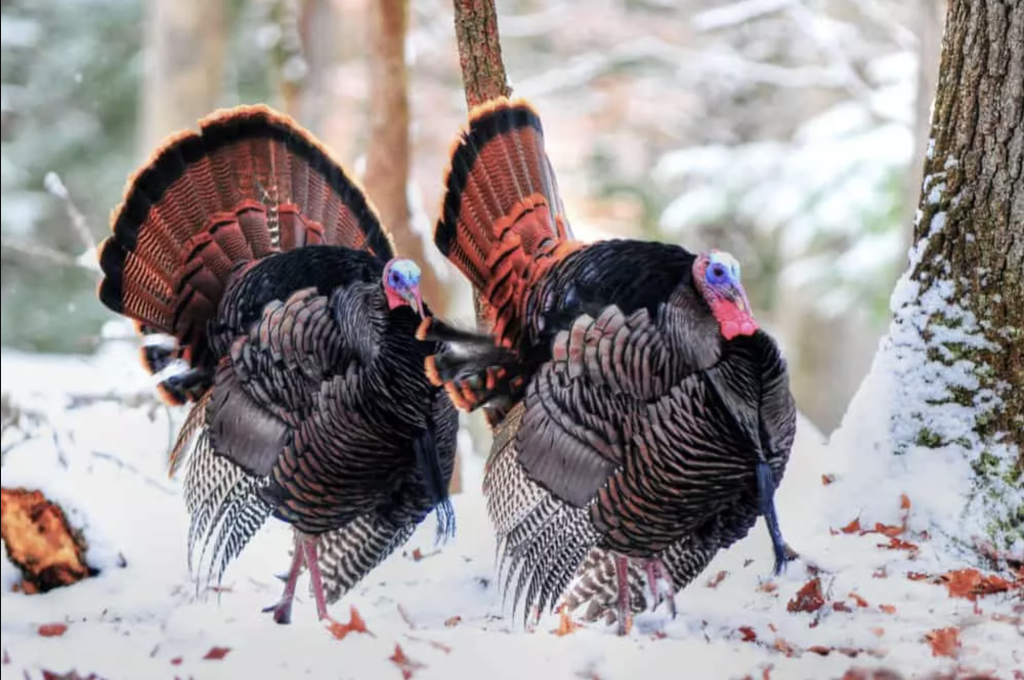
Black bears. The cove is home to roughly two bears per square mile — among the highest densities anywhere in their range. Best viewing is early morning (sunrise to ~9 AM) and late afternoon (5 PM to sunset) when bears are foraging at the meadow edges. Look for the “bear jam” — a line of stopped cars is the surest sign of a sighting.
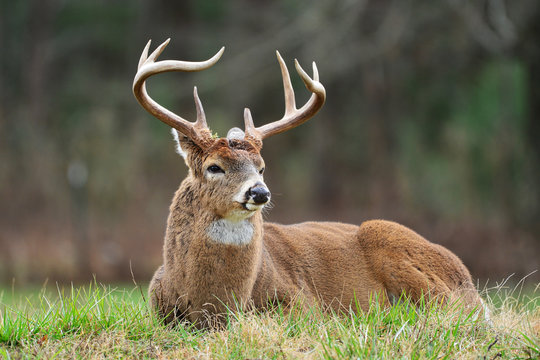
White-tailed deer. You will absolutely see deer. Not “might” — will. Herds graze the open fields, especially at dawn and dusk. In the fall, you may catch bucks in rut.
Wild turkeys. Flocks of 20+ are common, particularly in the meadows near the start and end of the loop.
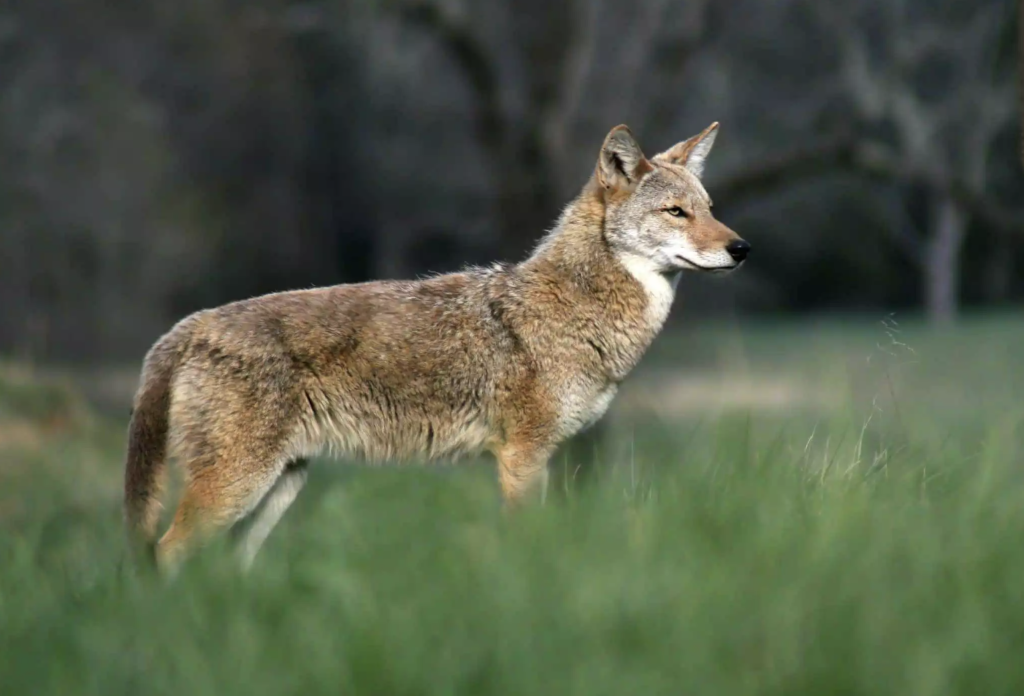
Coyotes. Less common but often visible in the long grass during early morning.
Elk. Note: elk are not found in Cades Cove. They’re in the Cataloochee Valley on the North Carolina side. If a guide promises you elk in Cades Cove, find a different guide.
Bobcats, foxes, otters. Possible but rare; a flash of luck if you spot one.
The Wildlife Rules
- Maintain at least 50 yards (150 feet) from bears and elk. This is federal law inside the park.
- Stay 25 yards from all other wildlife.
- Never feed any animal, including deer that approach your car. A fed bear is a dead bear — they get habituated, become aggressive, and have to be put down.
- Stay in your vehicle if a bear is on the road. Approaching for a photo has caused multiple maulings.
- A telephoto lens or zoom binoculars turn this into the trip of a lifetime.
Trails & Side Adventures Off the Main Loop
If you want to step away from the car, Cades Cove is a trailhead for some of the park’s best hikes.
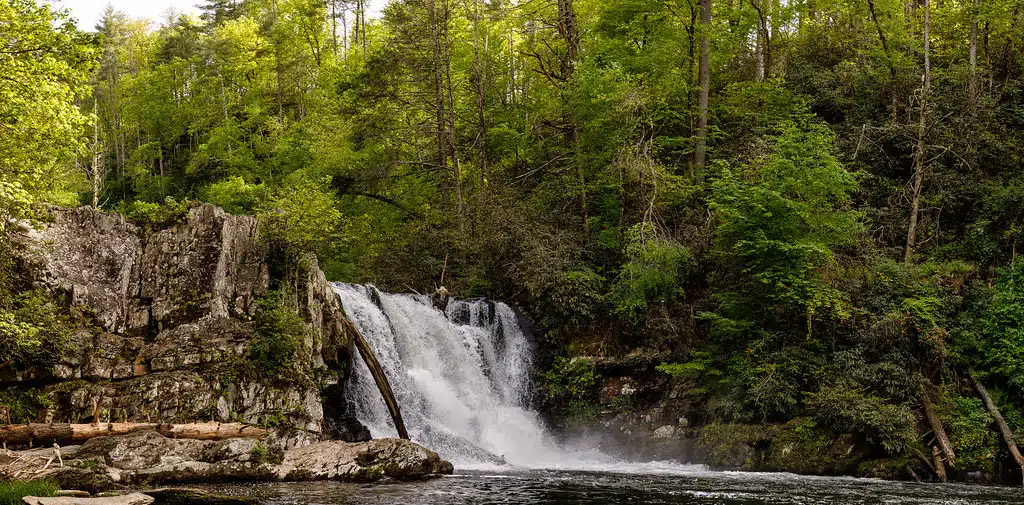
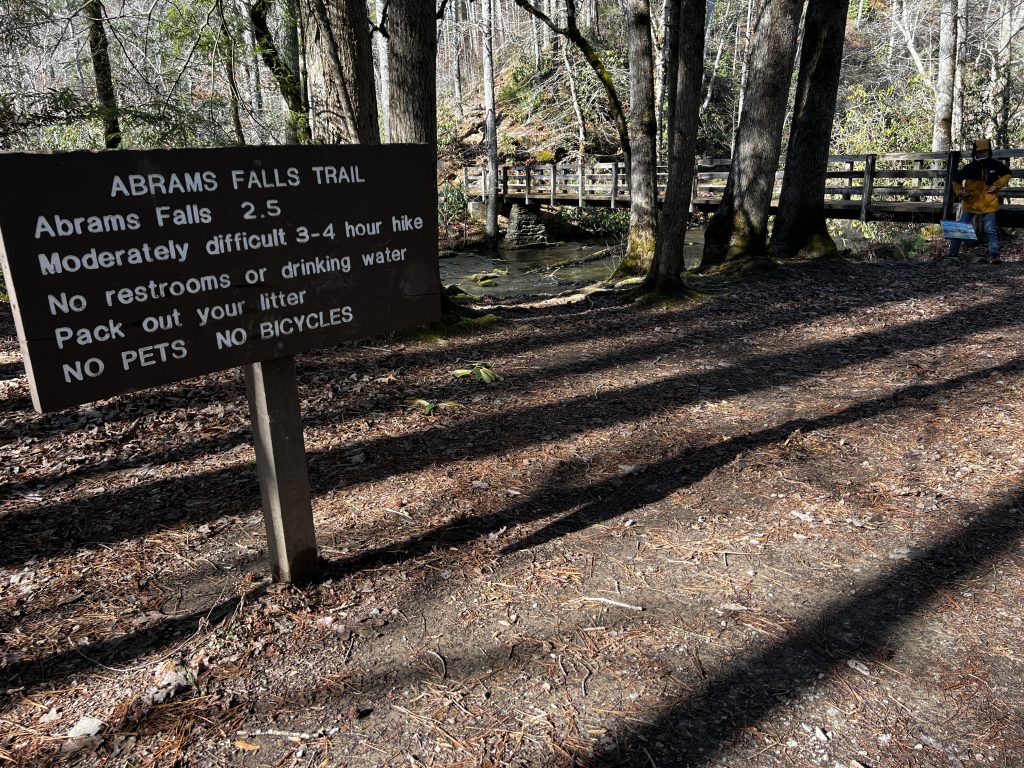
Abrams Falls Trail
- 5.2 miles round-trip, moderate difficulty, ~3–4 hours
- Trailhead just past stop #10 on the loop
- Reward: a thunderous 20-foot waterfall that pours over a wide ledge into a deep, dark pool
- Do not swim — the recirculating current at the base has caused multiple drownings. Beautiful, but for looking, not entering.
Rich Mountain Loop
- 8.5 miles round-trip, strenuous, ~5–6 hours
- For solitude away from loop traffic
- Climbs to elevated views looking back down into the cove — one of the few hikes where you can see Cades Cove from above
- Best in spring for wildflowers or fall for color
Sparks Lane & Hyatt Lane
These two two-way gravel roads cut directly across the middle of the loop, connecting the north and south sides. They’re often overlooked but offer the most unobstructed panoramic meadow views in the entire cove. Walking either lane during the golden hour before sunset is one of the best photography experiences in the park, with mountain light raking across the open valley.
Anthony Creek Trail / Bote Mountain
Branches off near the picnic area; a moderate forest hike that connects to the broader park trail network. A good shorter option if you want a real hike but don’t want a full-day commitment.
Vehicle-Free Wednesdays (May–September 2026)
In 2026, the National Park Service is again hosting Vehicle-Free Wednesdays at Cades Cove from May 6 through September 30. On these days, the entire 11-mile loop is closed to motor vehicles and reserved for cyclists and pedestrians only.

If you’re staying with us during the warm months, this is genuinely worth planning your week around. Riding the loop without traffic, stopping wherever you want, hearing actual birdsong instead of engines — it transforms the experience.
What to know:
- Bike rentals are available at the Cades Cove Campground Store ($10–$15, helmets included). They’re popular and first-come, first-served — arrive early.
- Class 1 and Class 2 e-bikes are allowed. Scooters and skateboards are not.
- Helmets required for cyclists; 20 mph speed limit enforced.
- Parking is extremely limited on vehicle-free days. Park rangers recommend arriving in the afternoon rather than morning for the best chance at a spot.
- Parking tag still required.
- No cell service — bring snacks, water, sunscreen, and a small bike repair kit.
- The full loop takes most casual cyclists 3–4 hours; you can shortcut via Sparks Lane or Hyatt Lane to make it shorter.
When to Visit: Best Time of Day & Best Season
Best Time of Day
- Sunrise to 9 AM — peak wildlife activity, golden light on the meadows, smallest crowds. This is the answer.
- Late afternoon to sunset — second-best for wildlife and the famous “blue hour” mountain light.
- Midday — gorgeous if you can tolerate slow traffic, but harder for wildlife.
Best Season
- April–May — dogwoods, redbuds, and wildflowers. Cool mornings, fewer crowds, baby animals visible.
- June–August — lush green, longest daylight, busiest period. Plan early starts.
- Mid-October — peak fall color (typically the second and third weeks of October). Spectacular but congested. The loop can take 4+ hours.
- November–March — quietest, atmospheric, often with mist or light snow on the peaks. Some hike trailheads may be muddy. Wildlife sightings drop slightly but are still common.
If you’re coming during peak season (summer weekends and October), aim to be at the loop entrance before 8 AM. Once the parking areas fill, rangers turn cars away.
What to Pack for Your Cades Cove Day
A short, honest checklist for a successful visit:
- Printed parking tag (this is the #1 thing people forget)
- A full tank of gas — none available inside the park
- Water (1 liter per person minimum) and snacks
- Binoculars or a telephoto lens — to see wildlife across the meados
- Layers — temperatures can swing 20°F between morning and afternoon
- Real shoes if you plan to hike Abrams Falls or the Cable Mill area
- A paper map or offline-downloaded Google Maps — there is no cell service in the cove
- Bug spray in summer
- A picnic — there’s a beautiful picnic area near the campground entrance, ideal for lunch
- Cash — the visitor center bookstore takes cards, but it doesn’t hurt
Photography Tips for the Cove
- The “blue hour” — the 30 minutes before sunrise and after sunset — gives the cove its iconic moody look. Sparks Lane and Hyatt Lane are unbeatable here.
- Backlit fog in the early morning, especially in spring and fall, creates the misty layered-ridge shots the Smokies are famous for.
- Carter Shields Cabin in May, framed by blooming dogwoods, is the cove’s most-photographed scene.
- Cable Mill with its waterwheel running is best mid-morning when the light hits the mill yard.
- For wildlife, a 300mm or longer lens is ideal. Even a phone with strong digital zoom can capture deer at distance.
- Tripods are allowed at all overlooks but be respectful of foot traffic.
Cades Cove with Kids
Families do well in Cades Cove because the experience is built around looking, not exertion. A few tips:
- The Cable Mill area is the kid highlight — the working mill, blacksmith, and animals are tangible, and the visitor center has a junior ranger program.
- Sparks Lane and Hyatt Lane are great for short walks that feel like adventures without being demanding.
- The drive itself can be slow — bring snacks, an audio guide (ours, ideally), and a wildlife bingo card.
- Abrams Falls is too long for most kids under 8; the Elijah Oliver spur (1 mile round-trip) is a better bet.
- The cove has a picnic area near the campground with covered tables, restrooms, and shade — perfect for lunch.
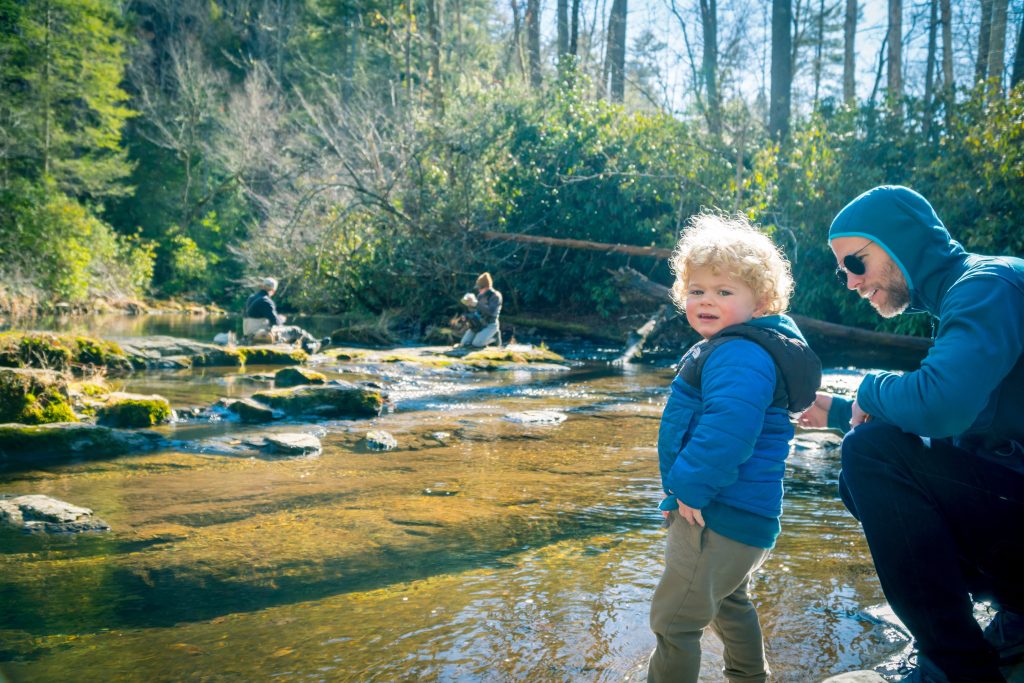
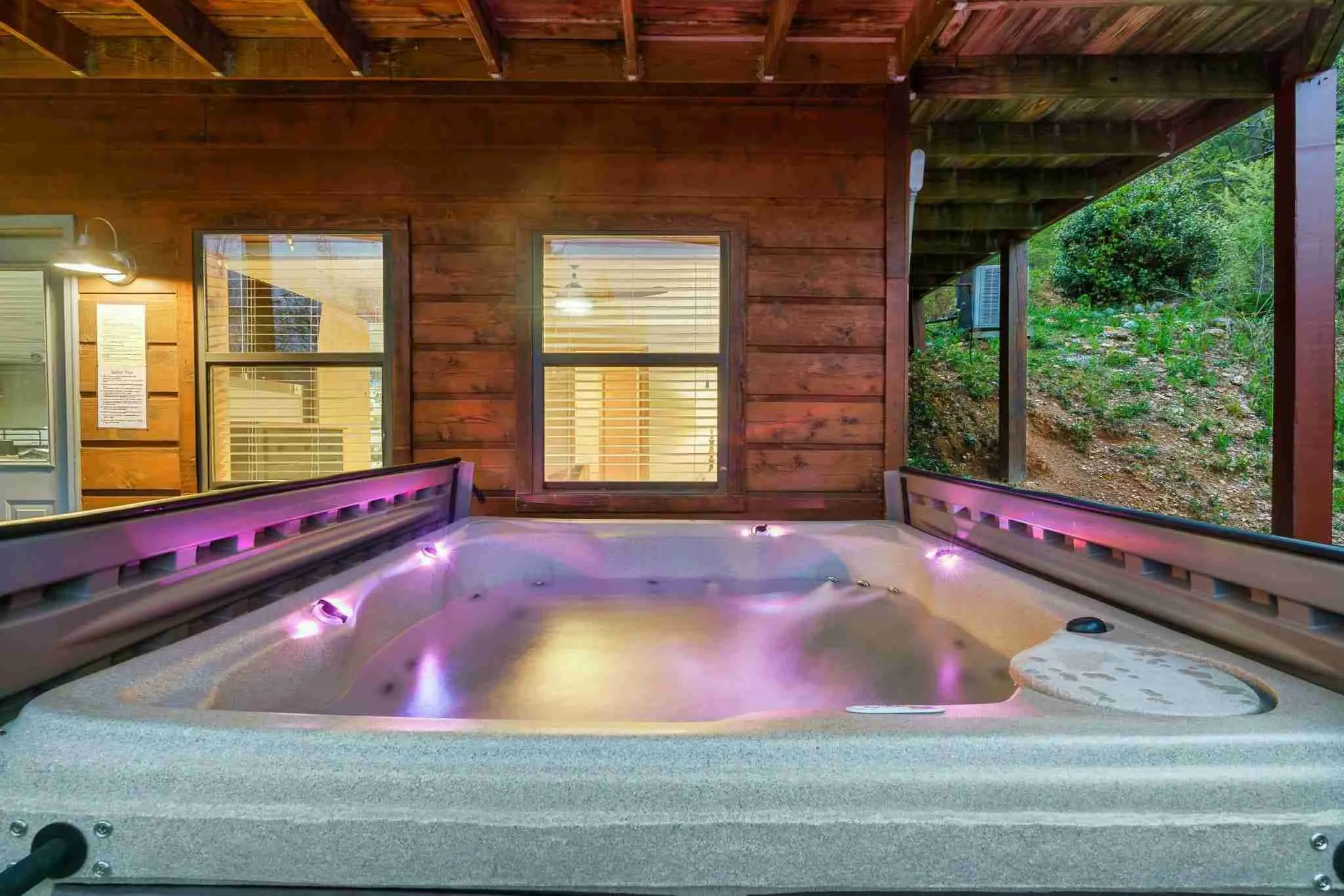
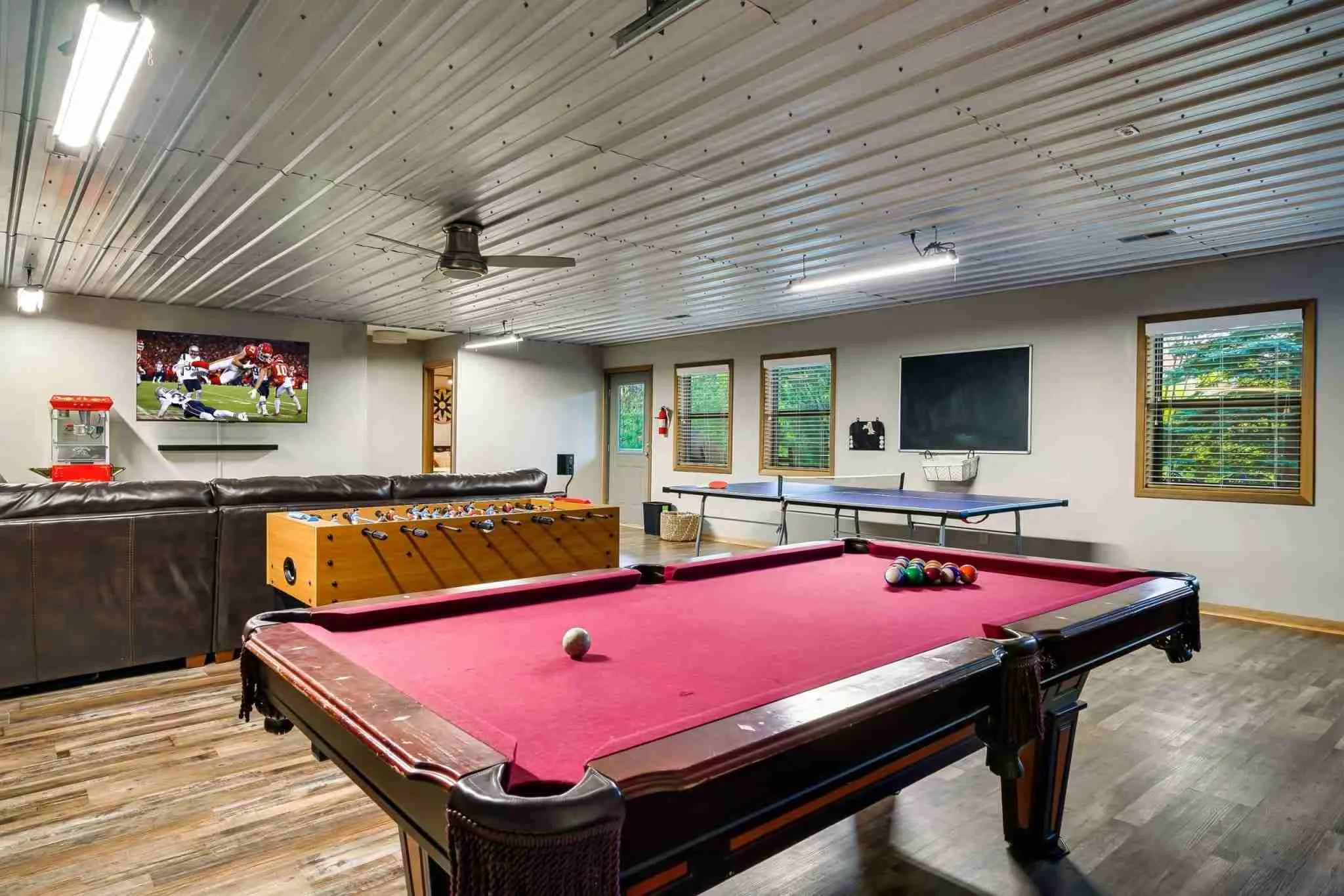
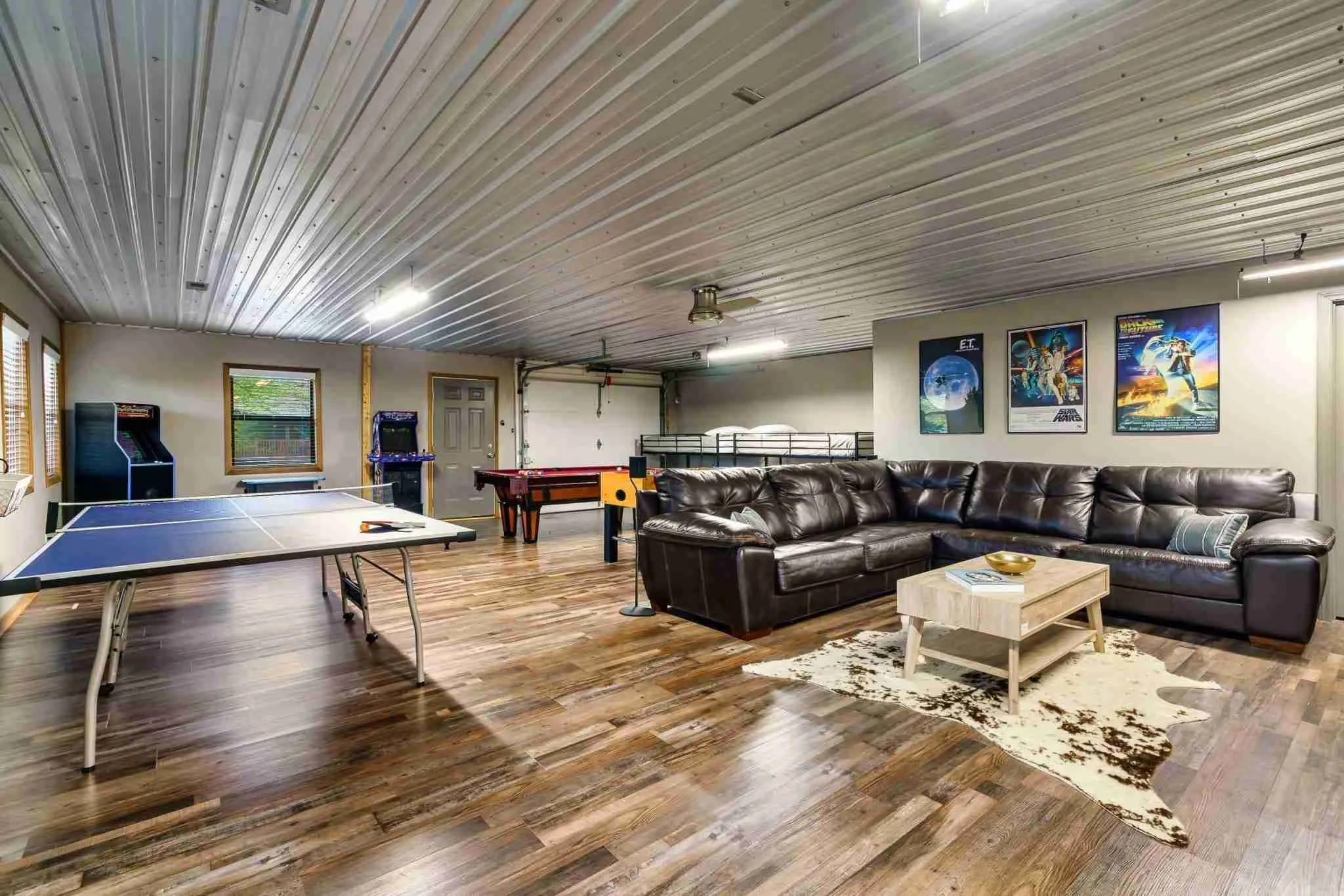
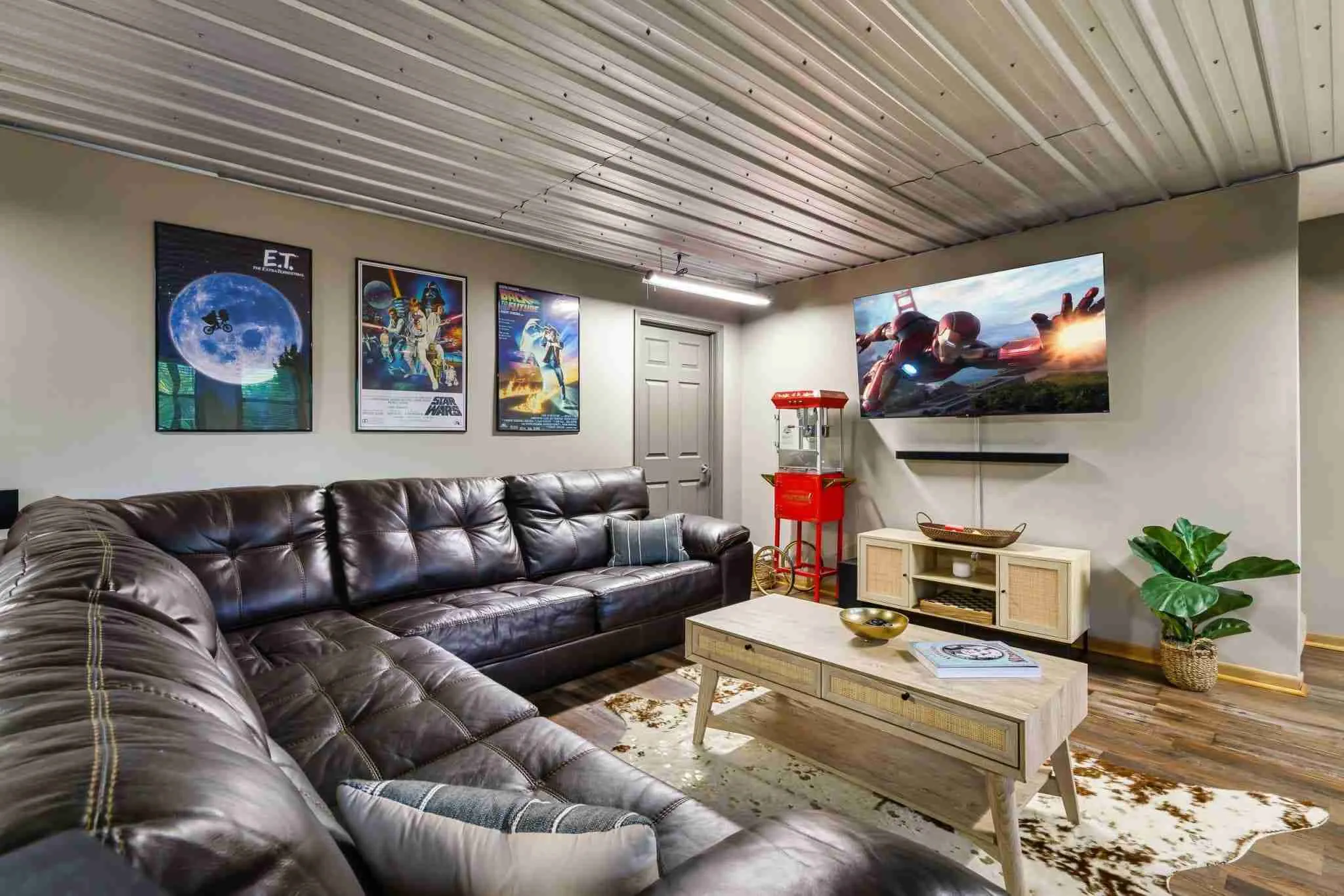
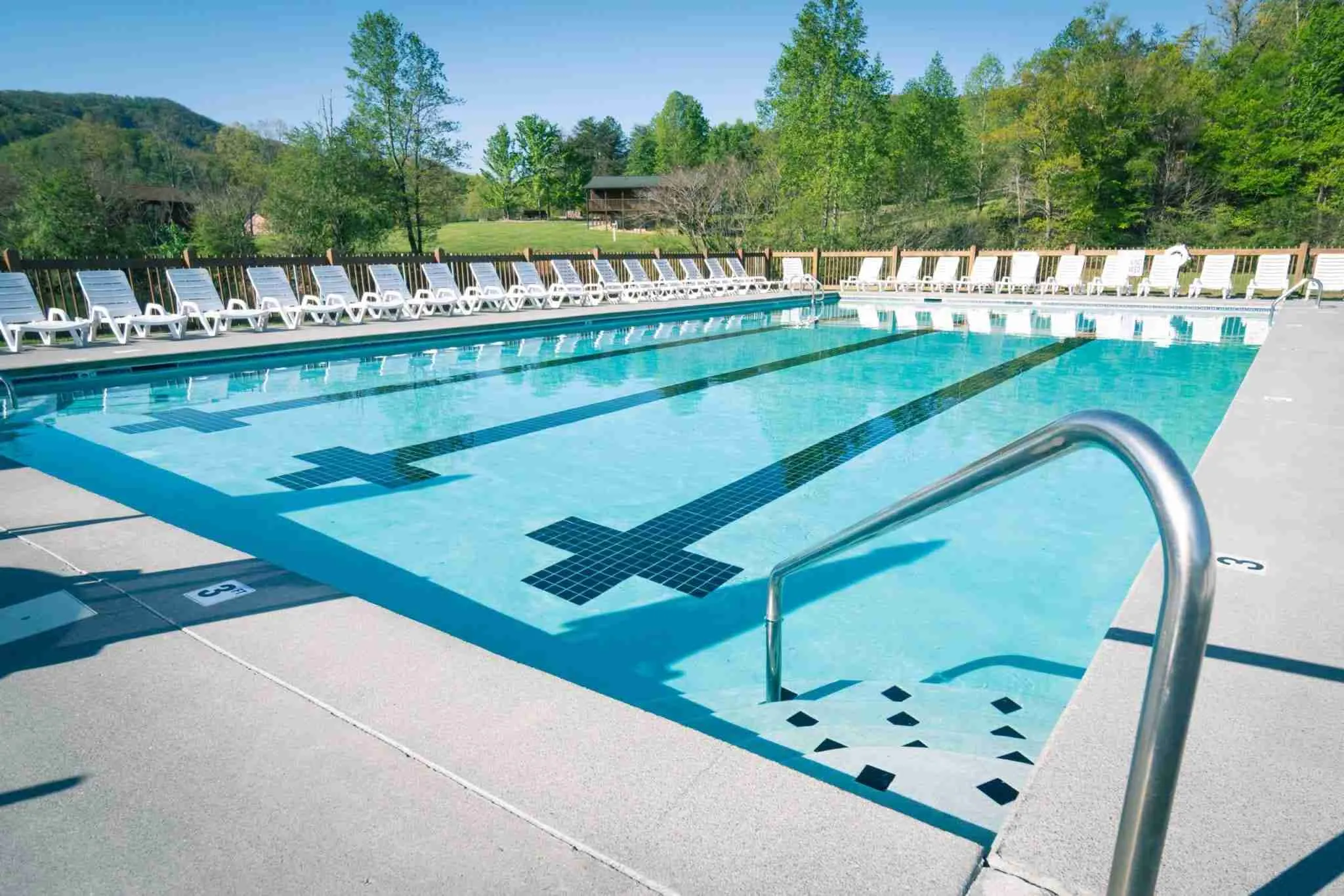
After a full day in the cove, the 900 sq ft game room back at the cabin tends to be the deciding factor in who has the best vacation memory: kids want pool and ping-pong and the arcades, parents want the hot tub. Both win.
Still looking for the perfect family cabin in the Smoky Mountains?
Look no further, and book your stay with us!






Frequently Asked Questions
How long does it take to drive the Cades Cove Loop?
Plan for 2–4 hours at minimum, including stops. With unhurried exploration of the historic structures and a hike, expect a half to full day. During peak fall foliage, the drive alone can take 4+ hours due to bear jams and traffic.
Is there an entrance fee for Cades Cove?
There’s no entrance fee for Great Smoky Mountains National Park, but a parking tag ($5 daily, $15 weekly, or $40 annual) is required if you stop for more than 15 minutes anywhere in the park.
Can you visit Cades Cove year-round?
Yes. The loop is open daily from sunrise to sunset, year-round, weather permitting. It can close briefly during heavy snow or ice, typically December through February. Always check the park’s road status page before driving up.
Is there cell service in Cades Cove?
No. There is no cell service inside the cove. Download maps offline before you go, queue up your audio guide, and let people know your plans before entering the park.
What’s the closest town to Cades Cove?
Townsend, Tennessee is the closest town and the gateway most locals use. Wears Valley (where our cabin is located) is just minutes from Townsend and even closer to the park’s western entrance than Gatlinburg or Pigeon Forge.
Can you bike Cades Cove?
Yes, any day of the week, but Vehicle-Free Wednesdays (May 6 – September 30, 2026) are by far the best experience because the loop is closed to cars. Bike rentals are available at the Cades Cove Campground Store.
Is Cades Cove kid-friendly?
Very. The slow pace, abundant wildlife, easy walks, and tactile historic structures make it one of the most family-friendly destinations in the park. The Cable Mill area in particular is a hit with kids.
When are bears most active in Cades Cove?
Early morning (sunrise to 9 AM) and late afternoon (5 PM to sunset) during spring, summer, and fall. Bears hibernate loosely in winter and are seen less often December through February.
Do I need a 4WD vehicle?
No. The loop is fully paved and accessible to any car. Sparks Lane and Hyatt Lane are gravel but well-maintained and fine for sedans in dry conditions.
How early should I arrive during peak season?
Aim to be at the loop entrance before 8 AM during summer weekends and October. After that, parking fills and traffic on the loop slows dramatically.
Returning to Your Cabin in the Smokies
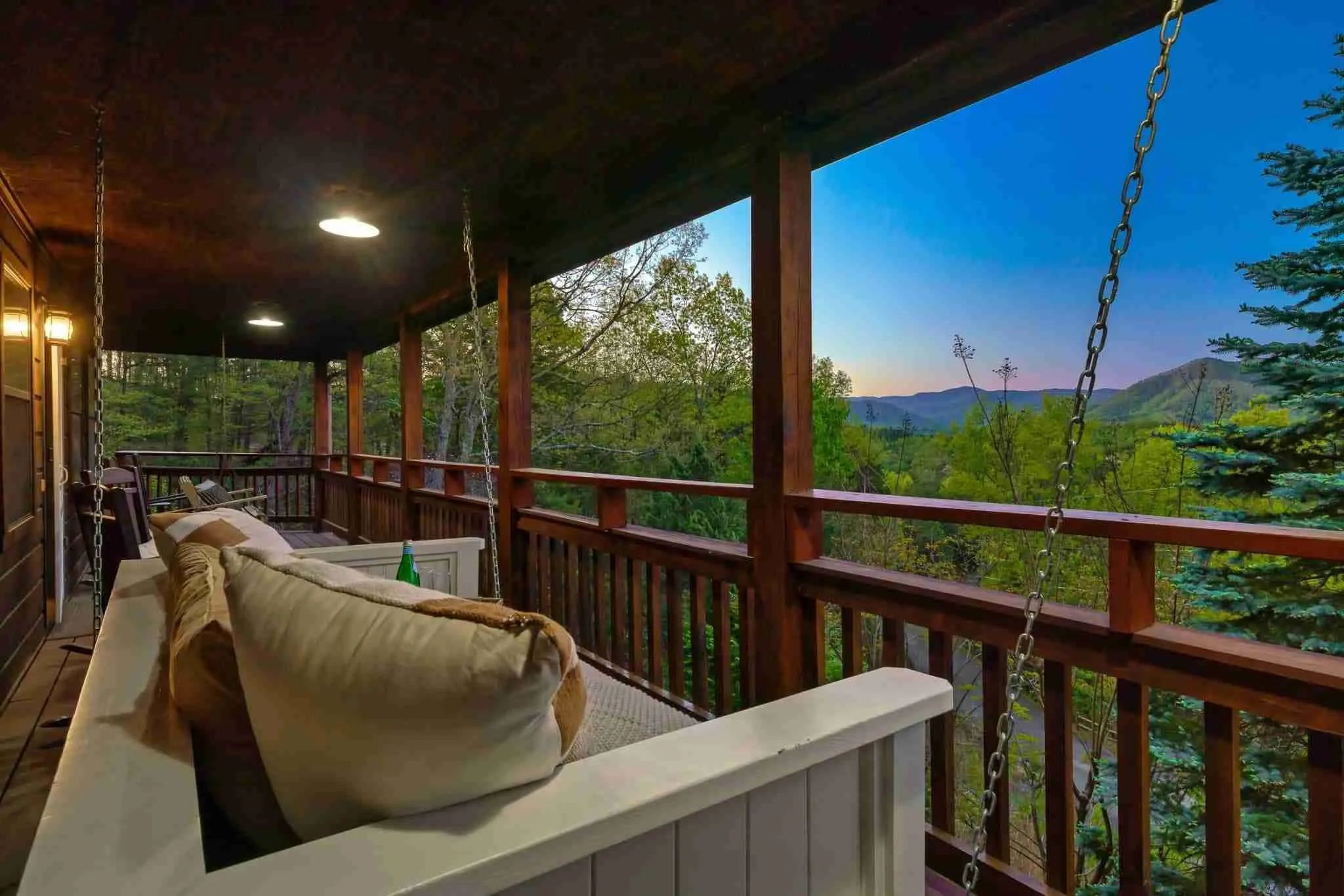
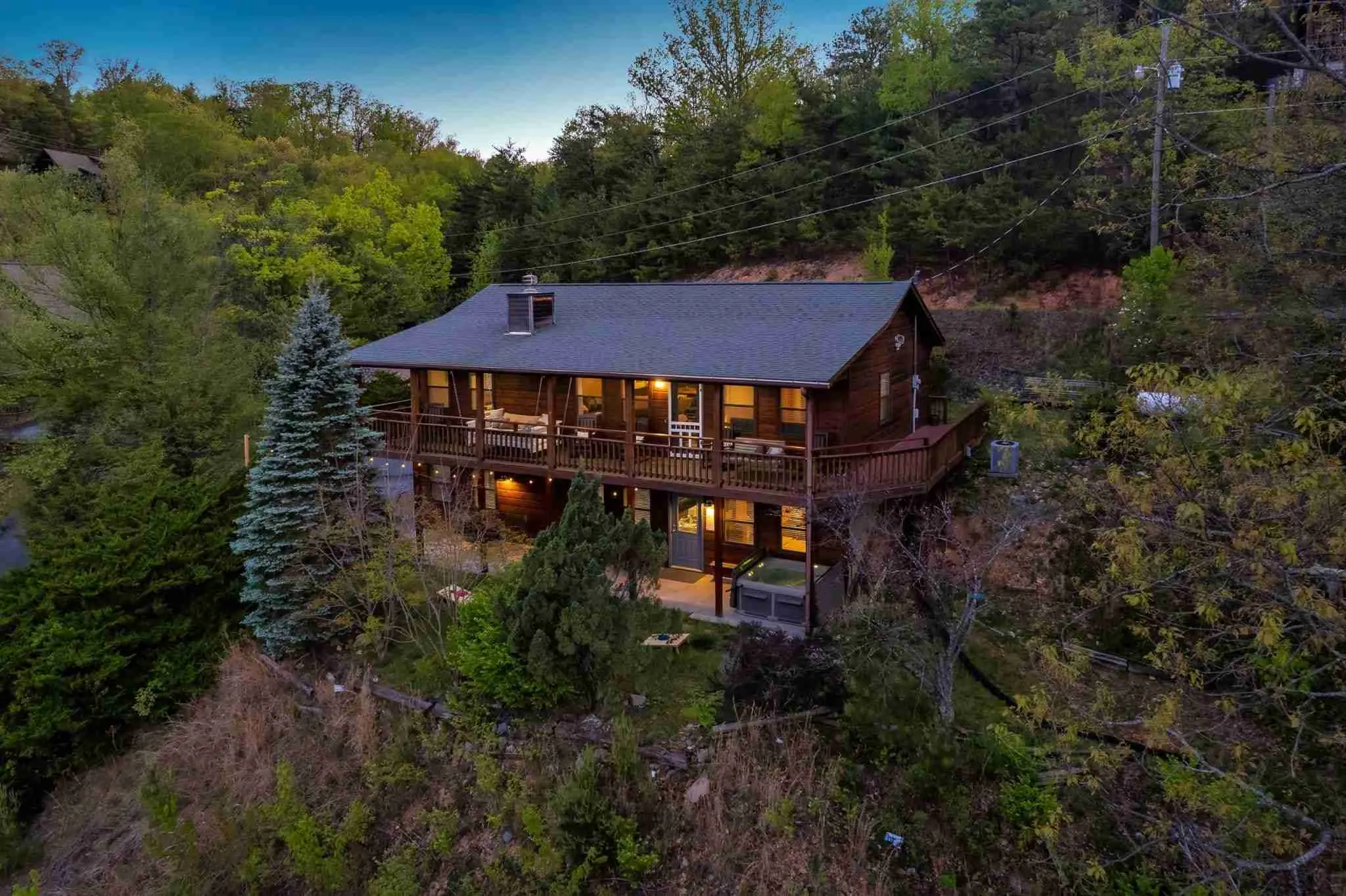
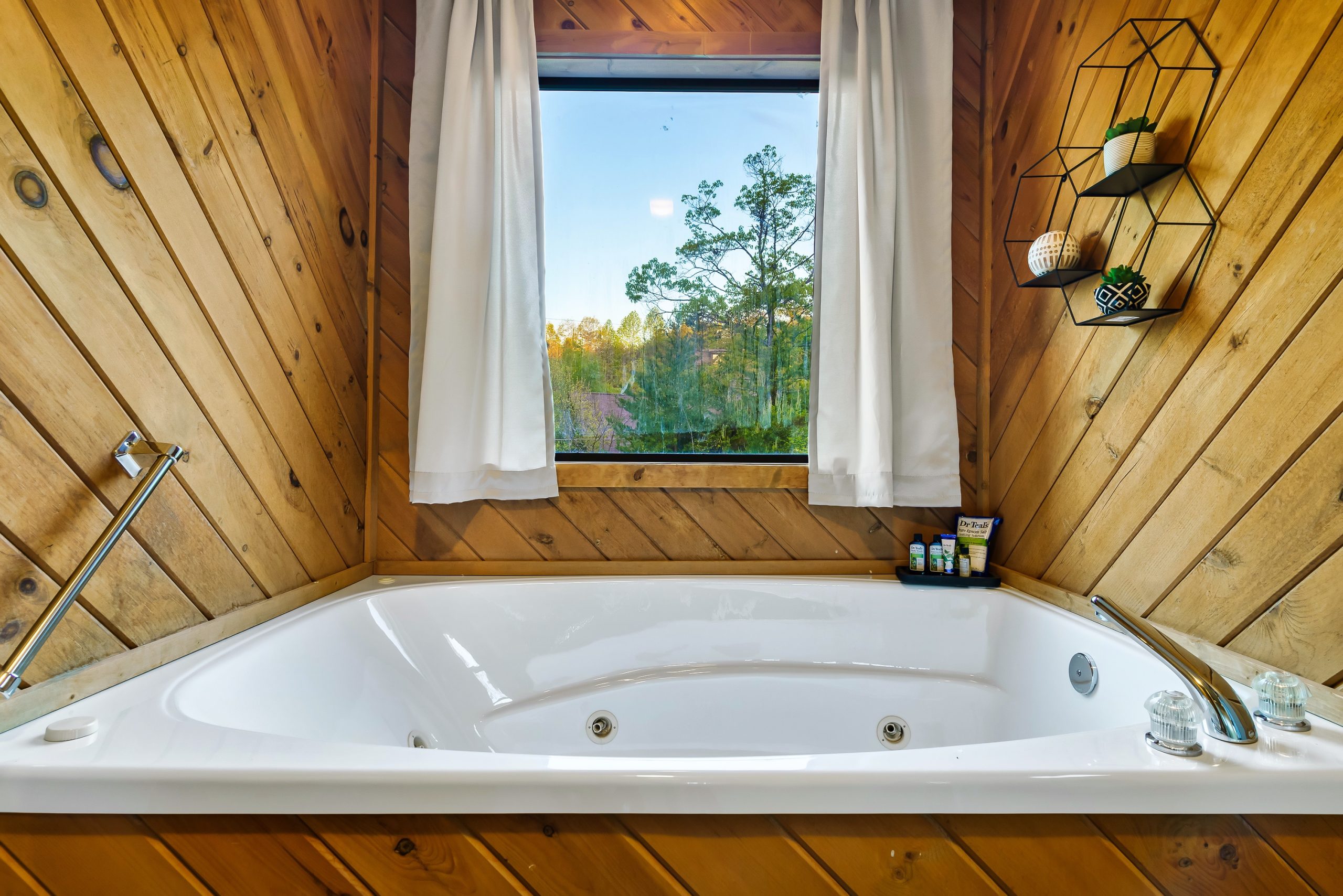
After a full day of bear-spotting, mill-watching, and ridge-line gazing, the right way to end a Cades Cove day is to come back to a quiet ridge-top cabin, dip into the hot tub, and not move.
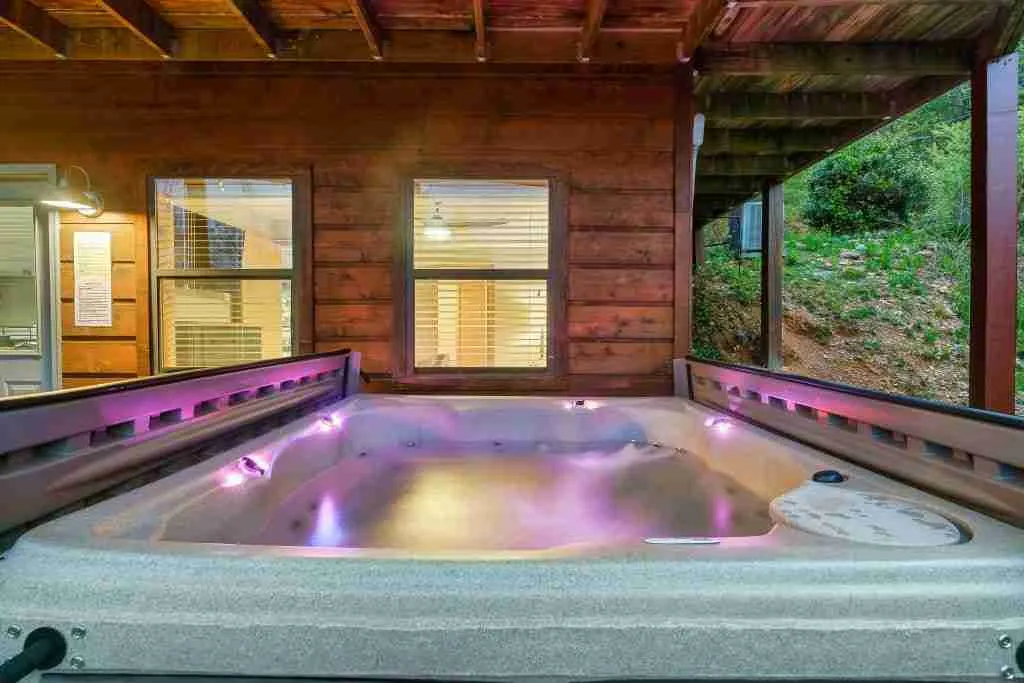
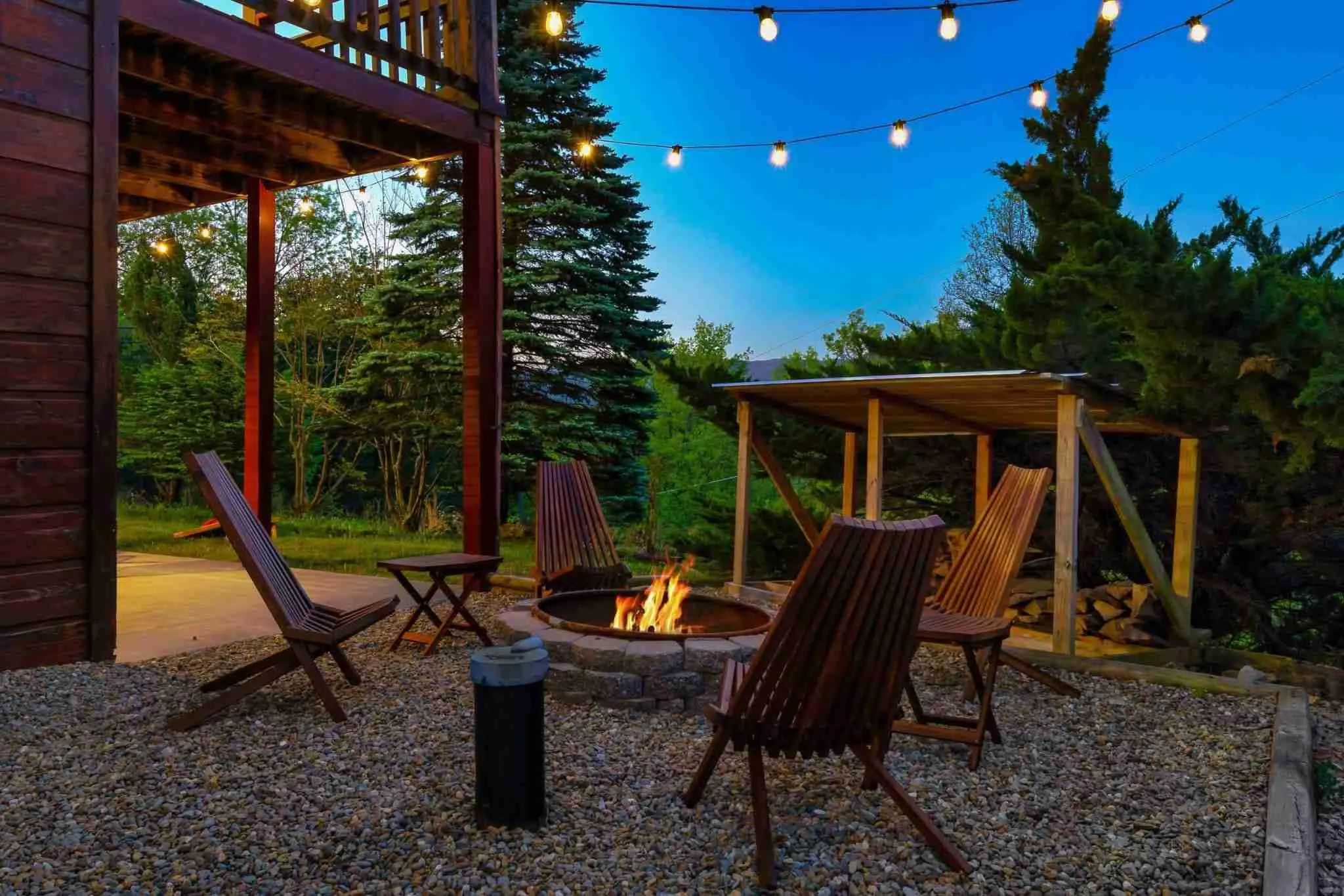
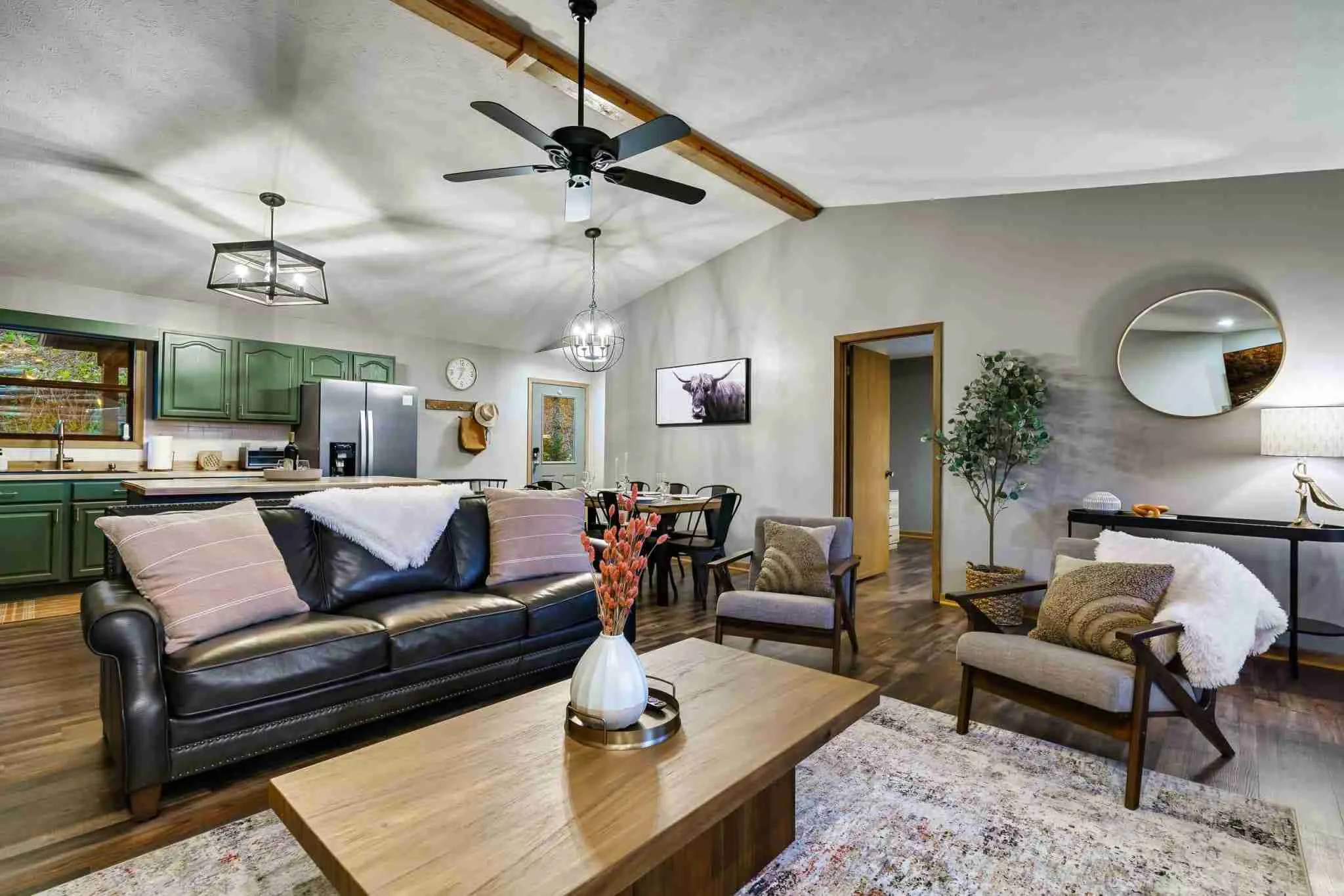
When you stay at our cabin in Wears Valley, you’re not just sleeping somewhere convenient — you’re returning to your own private retreat 10 minutes from the park entrance you used that morning. Step out onto the upper deck. The same blue ridges you drove past at sunrise are now turning orange. See all the photos of our family cabin. Fire up the charcoal grill, throw on whatever’s been marinating since breakfast, and let the kids commandeer the 900 sq ft game room with its three retro arcades, pool table, ping-pong, and foosball. Adults claim the 7-person hot tub under the stars while the stone fire pit crackles for s’mores.
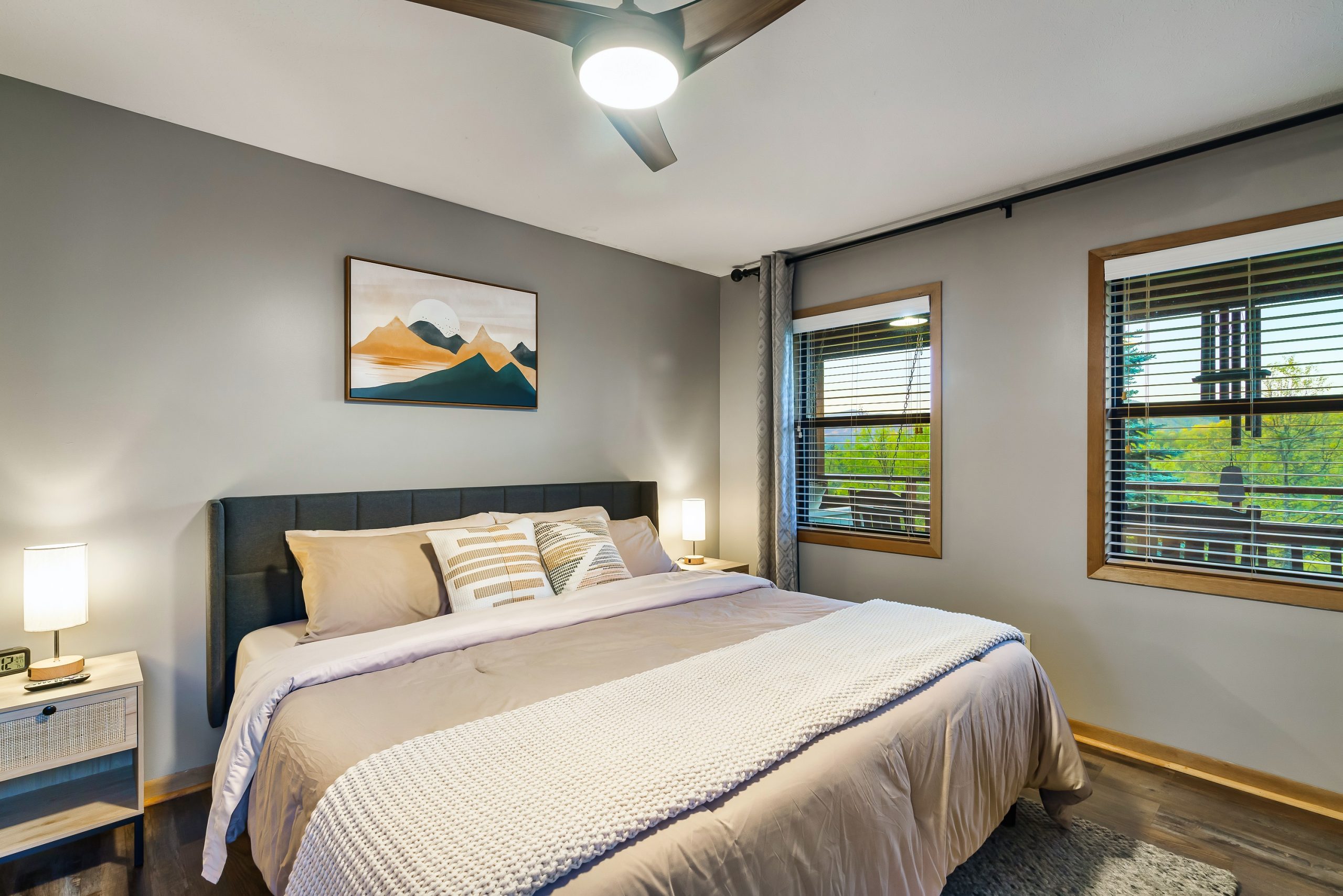
The next morning, the panoramic mountain view from every bedroom is your alarm clock, and you’ll have your second hot Keurig in hand and a stack of pancakes before most park visitors have left their hotel rooms in town.

That’s the difference between visiting the Smokies and staying in them.

Book Now: This goes to our secure portal to review your info and confirm booking.
Send Inquiry: If you’re not quite ready to book, you can send an inquiry with any questions.
Plan Your Cades Cove Day From Our Cabin
Cades Cove is an experience that rewards proximity, patience, and good planning. Staying with us in Wears Valley gives you the first two automatically — and this guide should handle the third.
Ready to make the cove your basecamp adventure?
Book direct at smokymountainslodge.com — best rates, no OTA fees, and we’ll send you our Cades Cove Audio Guide along with your check-in details.
Stream the Cades Cove Audio Guide — free for everyone, designed by us to play in your car as you drive the loop.
We can’t wait to host your family adventure in the Smokies.
We’re Social! Follow along on our story
Contact us: (865) 236-1712 | [email protected]
Last updated: April 2026. Park policies, vehicle-free dates, and parking tag fees current as of publication. Always confirm with nps.gov/grsm before your visit.